
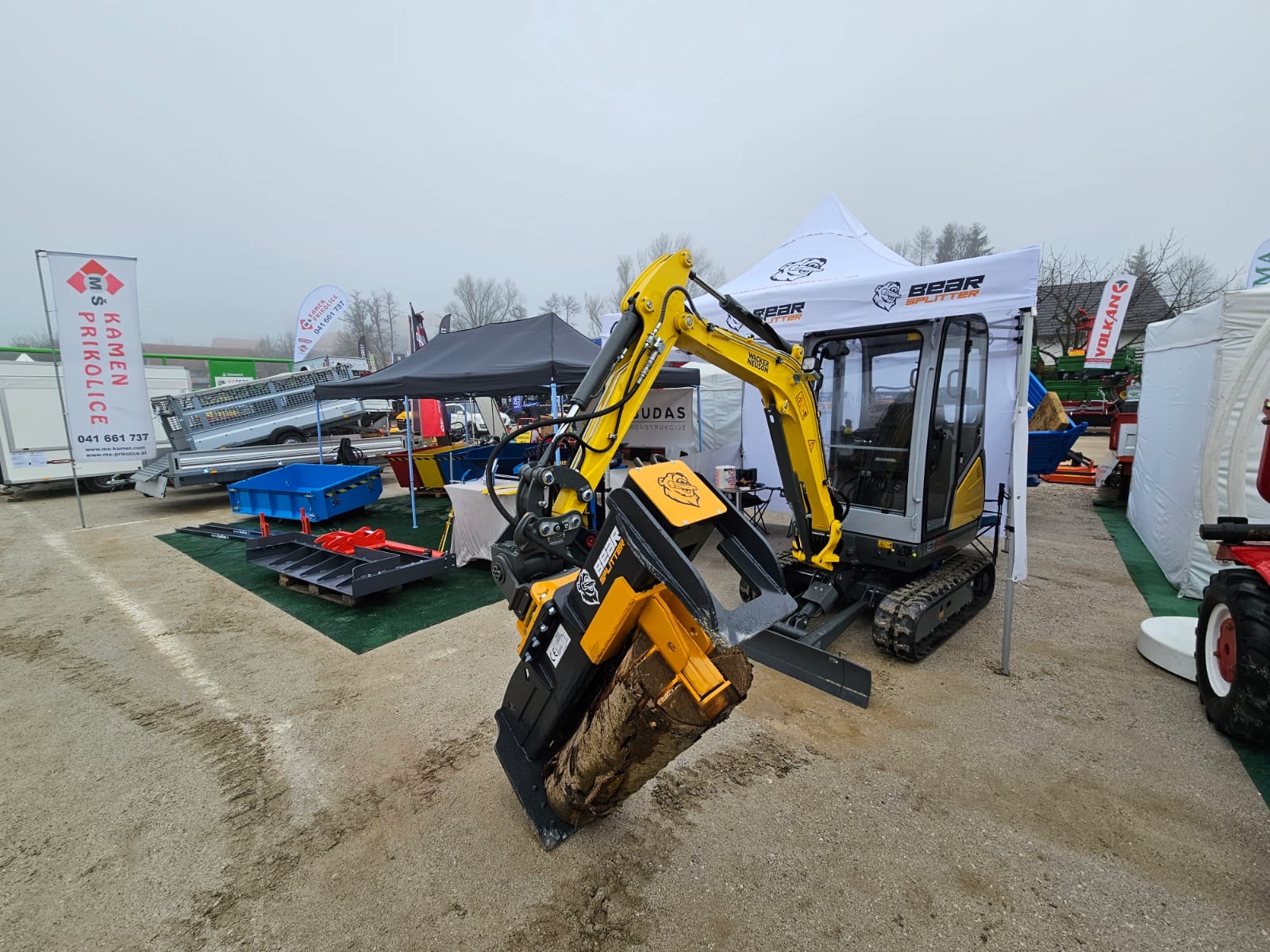
How to choose the right wood splitter?
When you choose wood splitter (or Holzspalter), the key is not only “how many tons”, but above all where and how you will work. If you vaccinate at home next to the house, electricity often makes the most sense. If you work in the field without an outlet, gasoline comes into play. If you have a tractor and larger quantities, it is often the most rational choice tractor (PTO) wood splitter. The basics of types and power are collected in the guide: Wood splitter - types, power, drives.
Electric wood splitter (230 V/400 V)
Electric wood splitters are the favorite home “workers”: quieter, clean and low-maintenance. They are ideal for the backyard, garage or workshop.
When electricity is best:
- vaccinate regularly at home (access to electricity),
- mostly standard pole diameters,
- You want as little service as possible.
What is a restriction:
For hard deciduous trees and larger diameters, 230 V can quickly become insufficient. Then 400 V or another solution is better.
Gasoline wood splitter
Gasoline wood splitter is practical when working where there is no electricity: in the forest, on the edge of the plot or when preparing firewood in several locations. It also usually brings more power compared to basic electric models.
When gasoline is the right choice:
- Terrain and mobility are important.
- you vaccinate large quantities, but without a tractor,
- you want to “set up and work” anywhere.
What to count on:
More noise, regular engine services (oil, filter, spark plug) and fuel cost. That's why gasoline pays off the most when mobility saves you logistics in real terms.
Tractor (PTO) wood splitter
If you have a tractor, tractor wood splitter often the most robust and long-term advantageous option for large volumes. The PTO drive gives stable power and allows higher tonnage, which comes in handy in beech and oak.
When PTO makes the most sense:
- you have a tractor and you prepare several cubes a year,
- graft hard deciduous trees and larger diameters,
- you want “professional” endurance.
Attention:
PTO stands for more space and more logistics (tractor+attachment), so this is a typical choice for farms and larger users.
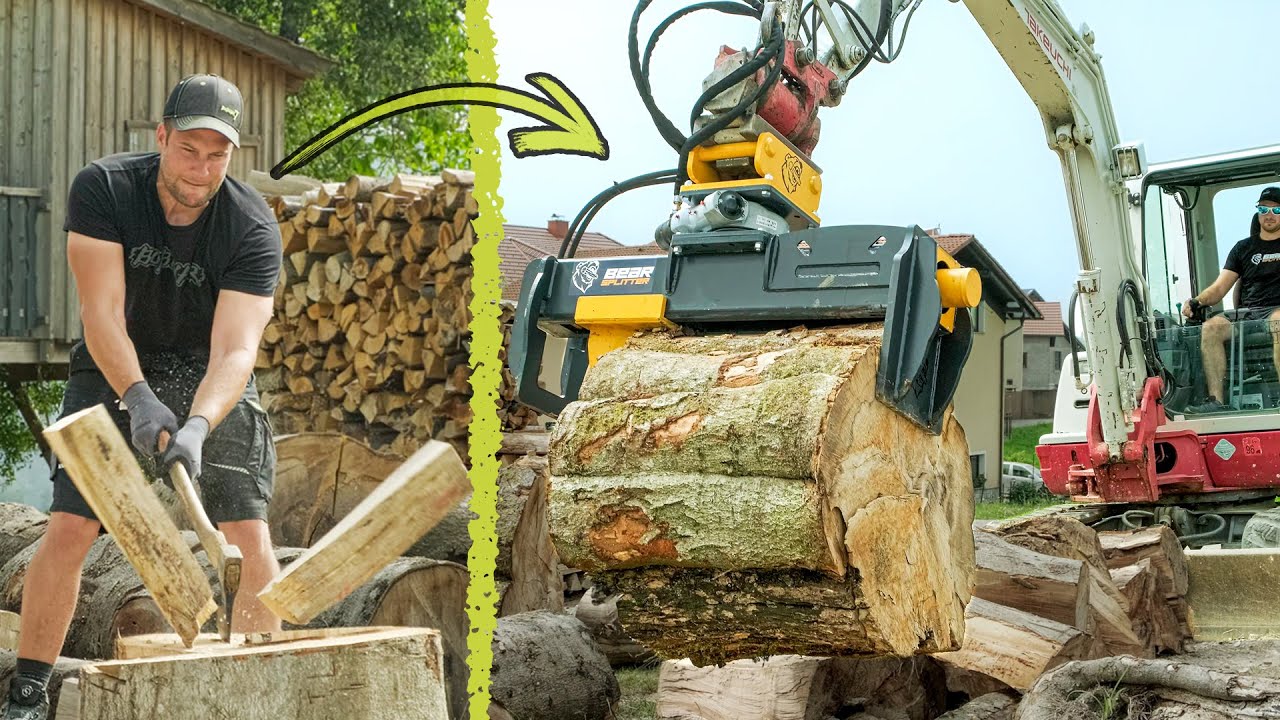
But when is the right time to approach the excavator?
For extreme diameters, knotty wood or working in more difficult terrain, the classic wood splitters can run into logistics: moving logs to the machine takes more time than grafting alone. In such cases, it comes into play hydraulic wood splitter. This is especially interesting for utilities, sawmills or foresters, where speed and work on the site is the key. The concept is explained in the article: Smart way to split firewood - BearSplitter and on bearsplitter.com.
Synopsis
If you need a practical explanation:
- At home, quietly and simply: electric Wood splitter.
- Terrain and mobility: gasoline wood splitter.
- Large volumes + tractor: PTO tractor wood splitter.
- Very large logs, logistics on site: hydraulic wood splitter
If you are interested in saving time and economy, use ROI calculator.